







Search Results for: pour-over grind ratio

Iced Pour-Over Coffee Brewing Guide: A Practical Guide to Coffee-to-Water Ratio, Ice Amount, and Grind Size Adjustment
On a hot summer day, a glass of iced pour-over coffee is the refreshing first choice for many coffee lovers. But many people find that when they make it at home or in the office, the flavor always seems thin and watery. This article sorts out three key details of iced pour-over coffee: adjusting the coffee-to-water ratio, calculating the ratio of ice to brewed coffee, and subtle changes in grind size, along with alternative solutions for common problems such as grinder limitations and too many fines. At the same time, according to different flavor preferences, it recommends a variety of beans suitable for iced brewing, including Front Street Coffee Fruit Ding Ding, Front Street Coffee Strawberry Candy, Front Street Coffee Xizhua, Front Street Coffee 2013 Sun-Dried Typica, Front Street Coffee Bird of Paradise, Front Street Coffee PWN Golden Mandheling, and Front Street Coffee Queen's Estate, helping you consistently make a delicious glass of iced pour-over in summer. [more…]
The Hot vs. Iced Pour-Over Coffee Dilemma: From Coffee-to-Water Ratio and Water Temperature to Grind Size, Exploring the Real Reasons Behind Flavor Differences
Should pour-over coffee be enjoyed hot or iced? Many coffee lovers hesitate when making this choice. Front Street Coffee has always recommended: if you want to experience a fuller flavor profile, it's best to choose hot pour-over. This article uses a comparative experiment, using the same coffee beans and brewing method, changing only the coffee-to-water ratio and grind size, to intuitively demonstrate the differences between hot pour-over and iced pour-over in extraction yield, flavor layering, and mouthfeel. The article lists the specific parameters for hot pour-over and iced pour-over in detail, analyzes the impact of water volume and grind size on extraction, and explains why iced pour-over requires parameter adjustments, why coffee shops charge extra for iced pour-over, and why you should drink it hot if you want to enjoy the flavor. [more…]
Iced Pour-Over Coffee Parameters Explained: A Complete Guide to Coffee-Water-Ice Ratios, Grind Adjustment, and Pouring Rhythm
The biggest difference between iced pour-over and regular hot pour-over is the introduction of ice as a variable. Ice does not participate in the extraction, so it is necessary to rebalance the grind size, coffee-to-water ratio, and pouring technique. Through brewing practice with multiple beans, Front Street Coffee has summarized an easy-to-control approach of a 1:10–1:12 coffee-to-water ratio and a 1:5 coffee-to-ice ratio. Taking 15 grams of coffee as an example, that means 150 grams of water and 75 grams of ice. The grind size needs to be adjusted finer to compensate for the shortened extraction time. When pouring, reduce the flow rate and increase the number of pours, keeping the total time between 1 minute 40 seconds and 1 minute 50 seconds. In terms of bean selection, light-to-medium roasted flavor-focused coffees better showcase the refreshing quality of iced brewing, while dark-roasted beans tend to produce a thinner mouthfeel and reduced balance. [more…]

Pour-Over Coffee Powder-to-Water Ratio and Three-Pour Extraction Tutorial: Which Starbucks Pour-Over Is Worth Drinking
To brew a pour-over coffee with clear flavors, the coffee-to-water ratio, grind size, and pouring rhythm are all indispensable. Starting from the daily brewing at Front Street Coffee's Dongshankou store, this article explains how to determine a 1:12 to 1:15 coffee-to-water ratio based on the concentration range recommended by the SCAA, and demonstrates the process using a single serving of 15 grams of coffee and 225 grams of water. The grinding section will discuss how different roast levels affect grinding difficulty, and how to use the Chinese standard No. 20 sieve to judge the passing rate. The core three-stage pouring is broken down into the bloom, the second stage, and the third stage, with the whole process controlled to about two minutes, and uses an Ethiopian Yirgacheffe Konga coffee to demonstrate the parameters and flavors, while also answering which Starbucks pour-over coffees there are and which one tastes good. [more…]

A Beginner's Guide to Pour-Over Single-Origin Coffee: A Detailed Explanation of Rwandan Coffee Grounds-to-Water Ratio and Three-Pour Brewing Techniques
To brew a clean-tasting pour-over coffee at home, mastering the coffee-to-water ratio and pouring technique is key. Using Front Street Coffee's Rwandan washed beans as an example, this article systematically explains the English expressions, definition, and seven key elements of pour-over coffee—from bean freshness, grind size standards, water temperature selection, water quality requirements, and dripper selection, to the scientific control of coffee-to-water ratio and brewing time. The article also breaks down in detail the complete process of the three-pour method, including the principles and key points of the blooming phase, helping coffee enthusiasts build a standardized, easy-to-follow brewing framework and effortlessly reproduce the bright acidity and tea-like finish reminiscent of apple, smoked plum, and citrus. [more…]
Pour-Over Coffee Beginner's Guide: 10 Key Techniques for Mastering Grind, Water Temperature, Coffee-to-Water Ratio, and Pouring
To brew a full-flavored single-origin coffee at home, having good coffee beans alone is not enough. From grind size, water temperature, coffee-to-water ratio to pouring rhythm, every step directly affects the taste in the final cup. In this article, Front Street Coffee systematically sorts out the core knowledge of pour-over coffee, including the flavor characteristics of coffee beans from different regions, the impact of various brewing parameters on extraction results, and the detailed operating steps of the three-stage pouring technique. It also reviews the seven categories of equipment needed for pour-over, and using Ethiopian Yirgacheffe Gutingting coffee beans as an example, shares complete brewing data and flavor performance, helping coffee lovers reliably reproduce a good cup of coffee at home. [more…]

Coffee Grinder Settings Guide: Hand Grinder Disassembly and Pour-Over Grind Standards
Grind size is one of the core variables affecting coffee flavor. This article starts with the structure of a manual coffee grinder, gradually explaining how to disassemble it and adjust the grind adjustment screw, and, combined with the hands-on experience of Front Street Coffee, provides grind size standards for different brewing methods. At the same time, the article also shares a method for judging whether the grind is appropriate using a 0.80 mm standard sieve, as well as reference suggestions for pour-over parameters such as the coffee-to-water ratio, water temperature, and extraction time. Finally, using Panama Diamond Mountain coffee beans as an example, it demonstrates a complete three-stage brewing process to help readers put theory into daily practice. [more…]
Iced Pour-Over Coffee Brewing Guide: Grind Size, Coffee-to-Water Ratio, and Key Differences from Hot Pour-Over
On a hot summer day, iced coffee becomes the top choice for many people to beat the heat. Although cold brew and ice drip offer outstanding flavor, they take a long time, so making a fresh cup of iced pour-over is undoubtedly a more convenient option. Many coffee enthusiasts, when watching baristas at cafés, are often curious about the coffee dose, ice-to-water ratio, water temperature, and pouring technique. Front Street Coffee has summarized a simple and practical iced pour-over formula for you: coffee grounds (fine grind) paired with 10 times hot water and 5 times ice. Compared with hot pour-over, iced pour-over requires adjusting the grind size to extend extraction because less hot water is used, avoiding insufficient flavor. This article will explain in detail the complete process and key parameters of iced pour-over, helping you easily recreate café-level iced pour-over at home. [more…]
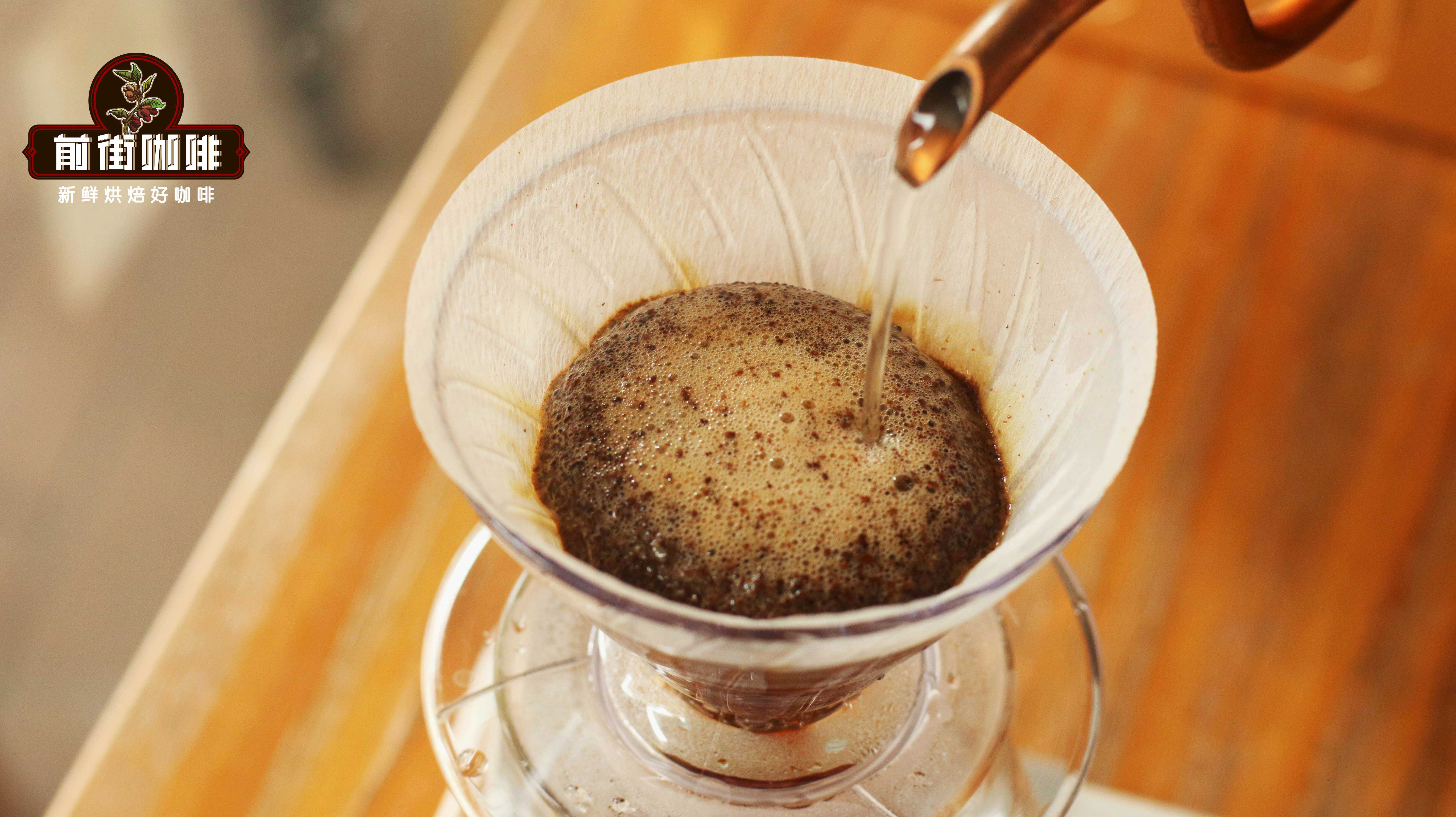
Easy for Beginners to Master: Key Parameters for Pour-Over Coffee and a Detailed Guide to the Three-Pour Technique
Pour-over coffee may seem to involve quite a few steps, but once you master the core variables, even beginners can brew a consistently good cup. This article focuses on six aspects—coffee bean freshness, grind size, coffee-to-water ratio, water temperature, pouring technique, and extraction time—explaining one by one how they affect the final flavor, and providing Front Street Coffee's recommended parameters and specific brewing demonstrations for everyday pour-over. The article also includes grinding and sieving suggestions for light-roast and medium-dark-roast beans, the classic 1:15 ratio, water temperature ranges for different roast levels, and the complete three-pour process, helping you recreate a layered, balanced, and smooth pour-over coffee at home. [more…]
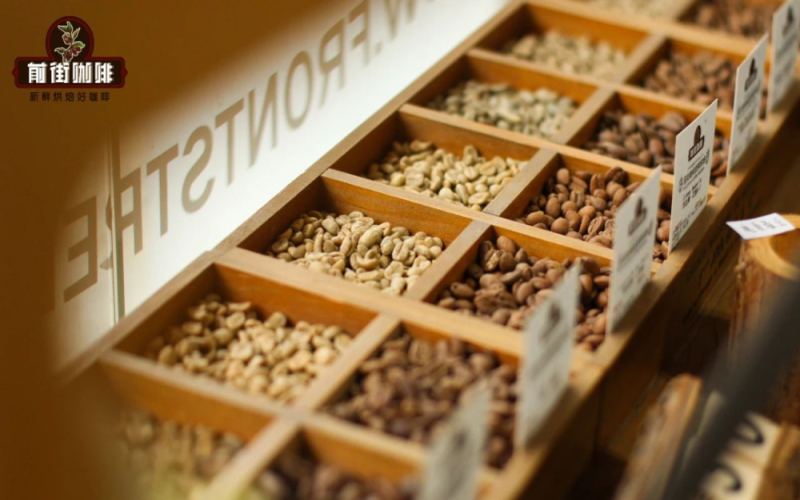
How to Determine the Coffee-to-Water Ratio for Pour-Over? A Comprehensive Analysis from the Golden Cup Extraction Standard to Practical Parameters
For enthusiasts who are just getting into pour-over coffee, the coffee-to-water ratio is often the first source of confusion: exactly how much coffee grounds should be paired with how much water? Starting from the hands-on experience of Front Street Coffee, this article systematically sorts out the definition of pour-over coffee, the logic for determining the coffee-to-water ratio, the concentration range of the SCAA Golden Cup extraction standard, and the seven major factors that affect extraction. The article not only provides the calculation basis for the general parameter of 1:15, but also explains in detail key steps such as grind size correction, water temperature selection, and dripper choice. Finally, it includes the specific brewing recipe and flavor description for Front Street Yirgacheffe Gedingding, helping beginners build a complete framework of pour-over knowledge. [more…]
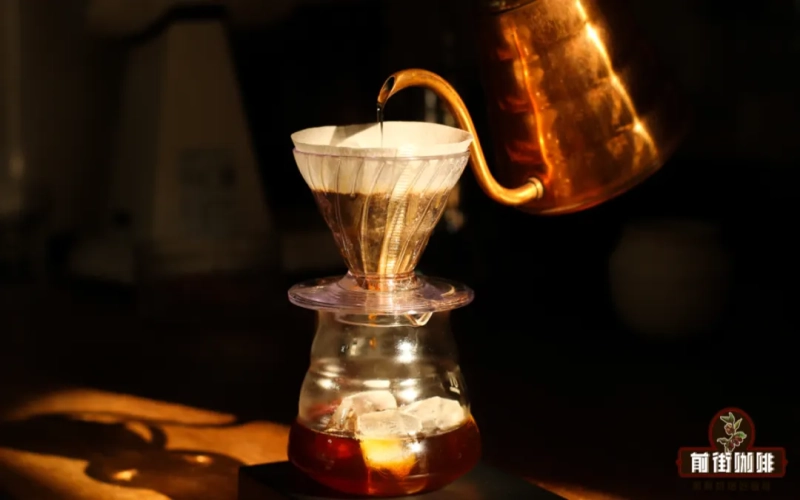
A Practical Guide to Making Iced Pour-Over Coffee at Home: Ice-to-Hot-Water Ratios, Grind Size Adjustments, and Key Stirring Techniques
Iced pour-over is not simply pouring hot coffee over ice; rather, it is an extraction method in which ice rapidly cools and moderately dilutes the coffee liquid, also known as "flash-chilled pour-over." To make a cup that is both refreshingly cold and rich in aromatic layers, you need to readjust parameters such as coffee dose, water volume, ice amount, grind size, water temperature, and timing. This article focuses on ice usage and application, the coffee-to-ice-to-water ratio, grind size adjustments, and two operational approaches—small-stream分段 and the stirring method—to help coffee enthusiasts make a balanced iced pour-over at home. It also provides specific references based on Front Street Coffee's commonly used parameters. [more…]
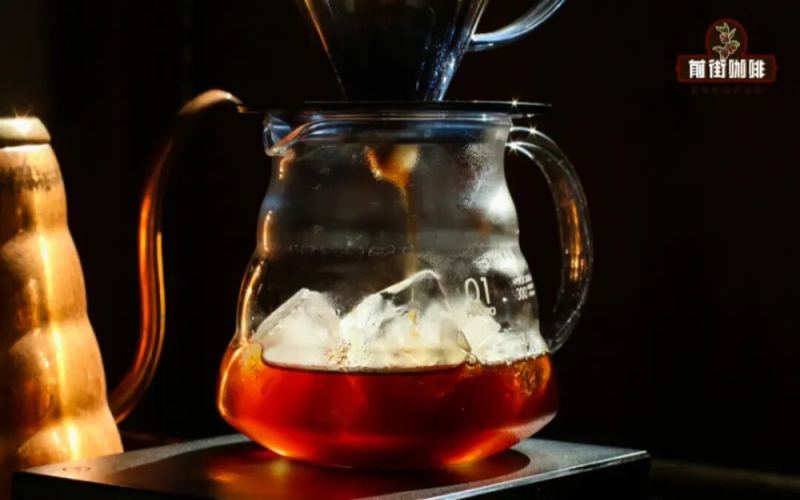
Secrets to Making Iced Pour-Over Coffee: A Comprehensive Guide to Water Temperature, Coffee-to-Ice Ratio, Grind Size, and Pouring Techniques
On a hot summer day, a glass of iced pour-over coffee brings a refreshing treat. But many people end up with an iced pour-over that tastes weak and lacks aroma. So how exactly do you make an iced pour-over with full, rich flavor? This article lays out four key techniques—from the coffee-to-water-to-ice ratio and grind size adjustments to pouring technique and ice selection—to help you avoid common pitfalls. Drawing on everyday brewing experience, Front Street Coffee offers specific parameter recommendations and a universal formula, so whether you're a beginner or an advanced enthusiast, you'll find a practical reference plan that makes iced pour-over more than just hot pour-over with ice added. [more…]
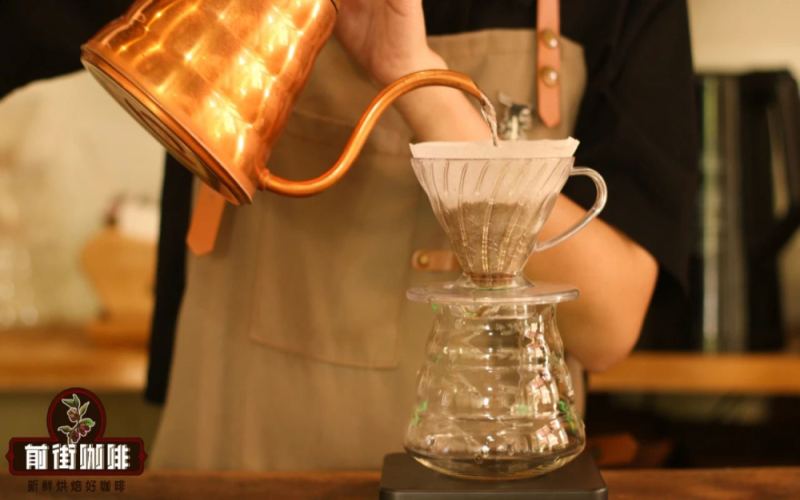
How to Make Pour-Over Coffee for Two | How Should the Coffee-to-Water Ratio for Pour-Over Coffee Be Allocated? What Coffee Strength Does the SCAA (Specialty Coffee Association of America) Recommend?
With the development of the specialty coffee market, single-origin coffee is increasingly recognized by the public, so many coffee enthusiasts are teaching themselves how to brew pour-over coffee at home. As a result, coffee-loving friends often ask, when buying coffee beans at Front Street Coffee, how the coffee-to-water ratio for pour-over coffee should be determined. So in this next article, Front Street [more…]
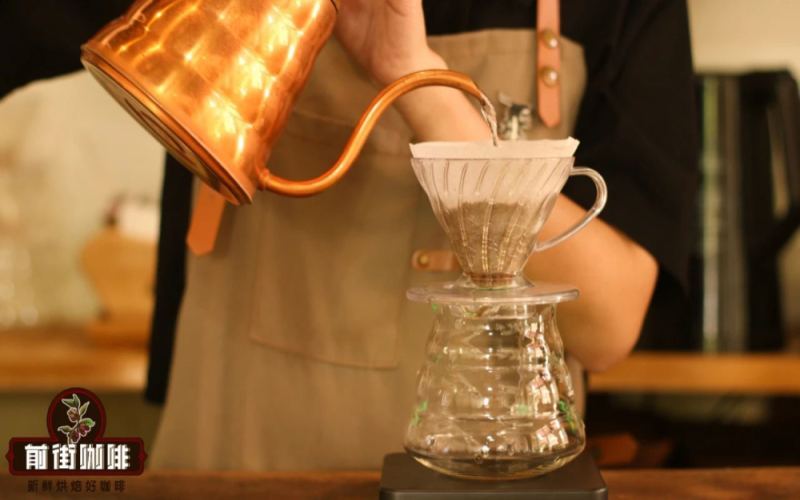
A Complete Analysis of Pour-Over Coffee Dose and Water-to-Coffee Ratio: Parameter Calculations and a Detailed Explanation of the Seven Elements from One Serving to Two Servings
For enthusiasts who are just getting into pour-over coffee, one of the first things that often causes confusion is how many grams of coffee to use for a single serving, and how to calculate the water-to-coffee ratio for two people. Starting from Front Street Coffee's practical experience, this article systematically explains the principles of distributing the coffee-to-water ratio in pour-over brewing. Combined with the strength recommendations of the SCAA (Specialty Coffee Association of America), it provides the widely applicable parameter range of 1:15, and further analyzes the seven major elements of pour-over brewing—from coffee bean freshness, grind size calibration, and water temperature control to dripper selection and brewing time. The article also includes the specific brewing data and three-stage extraction method for Front Street Yirgacheffe Washed Gedingding, helping readers, on the basis of understanding the principles, reduce operational mistakes and consistently brew a clean-tasting cup of good coffee. [more…]
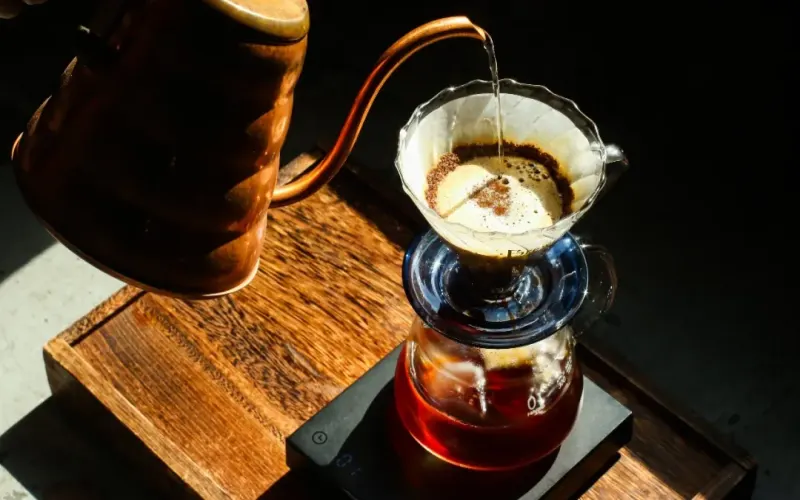
How to Adjust Iced Pour-Over Coffee Parameters? A Full Breakdown of Water Temperature, Ratio, Grind Size, and Bean Selection
Iced pour-over coffee is not simply about pouring hot coffee over ice cubes; it requires targeted adjustments in the coffee-to-water ratio, grind size, water temperature, and pouring method, otherwise it is very easy to end up with a brew that tastes as weak as ice water. Starting from Front Street's hands-on experience, this article first explains the root cause of flavorless iced pour-over—both concentration and extraction yield are too low—and then explains one by one how the parameters change as the water amount is reduced: the coffee-to-water ratio is tightened from 1:15 for hot brewing to 1:10, the grind is made finer by 1–2 settings, the passing rate through a No. 20 sieve increases by about 5%, and staged pouring is used to extend the extraction time to make up for the loss of efficiency caused by the reduced water amount. The article also gives direction on bean selection: natural and anaerobic processing suit rich flavors, while washed processing suits a fresh and clean taste, and it includes Front Street's complete iced pour-over recipe for Ethiopia Hamashu for reference. [more…]
A Complete Step-by-Step Guide to Pour-Over Coffee for Beginners: Six Key Variables from Bean Freshness to Extraction Time
Pour-over coffee may seem complicated, but every pour is actually full of a soothing sense of ritual. Yet mood swings, pouring rhythm, grind size, water temperature… a deviation in any one of these will make the final flavor vastly different. The six major factors affecting pour-over extraction—coffee bean freshness, grind size, coffee-to-water ratio, brewing water temperature, pouring technique, and extraction time—are all interconnected, and pulling one thread moves the whole system. In this article, Front Street will break down one by one the specific mechanisms by which these six variables affect flavor, and provide grind sifting-rate recommendations for light-roast and medium-dark-roast beans, a coffee-to-water ratio range of 1:14 to 1:18, water temperature references of 90-91°C and 88-89°C, and a complete demonstration of three-pour brewing, to help beginners build a stable, reproducible brewing framework. [more…]
How to Determine the Grind Size for Pour-Over Coffee? A Detailed Explanation of the Particle Size Standard and the 80% Pass Rate Through a 0.85mm Sieve
The flavor expression of pour-over coffee depends to a large extent on the grind size setting. If the particles are too coarse, extraction is insufficient and the taste is thin; if too fine, over-extraction easily occurs and bitterness becomes prominent. So what range should pour-over coffee particles actually be controlled within? Different grinders have inconsistent scale standards, so how can this be expressed in a unified way? Starting from the principles of extraction, this article sorts out the mutual influences among coffee-to-water ratio, water temperature, time, and grind size, and introduces the method used by Front Street Coffee of measuring grind pass-through rate with a 0.85 mm standard sieve, giving the basic reference standard of an 80% pass-through rate to help coffee enthusiasts quickly find a suitable grinding baseline when facing different beans and equipment. [more…]
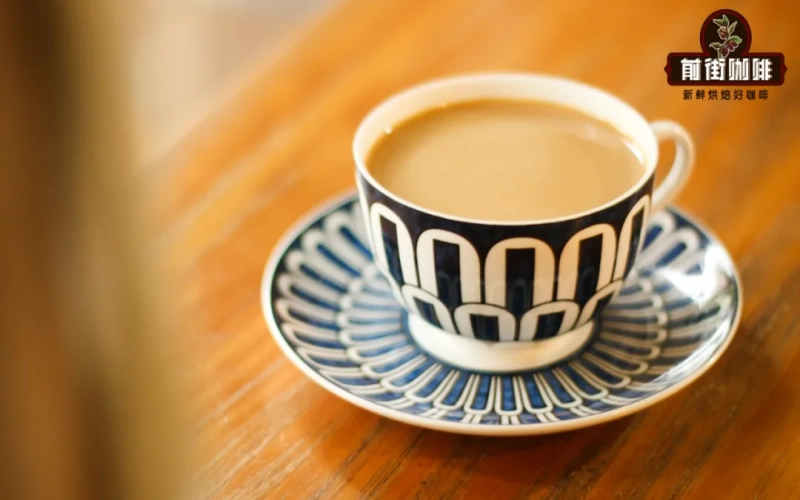
Can Pour-Over Coffee Also Make Milk Coffee? A Complete Guide to Pairing a High-Extraction Pour-Over Base with Milk
When it comes to combining pour-over coffee with milk, most people think of café au lait, but café au lait has a relatively low coffee concentration, and its flavor is easily diluted once milk is added, making it clearly different from an espresso-based latte. Front Street Coffee recently noticed a shop-visit video by a well-known Korean coffee blogger, in which a champion barista used a pour-over method to make a milk coffee with excellent flavor and mouthfeel. This article will focus on the extraction logic of espresso and share how to obtain a very high-concentration pour-over coffee as a base by adjusting the coffee-to-water ratio, grind size, water temperature, and stirring technique, then add milk in an appropriate ratio to create a drink that comes infinitely close to a latte. It will also recommend medium-dark roasted beans suitable for pairing with milk and specific Front Street Coffee products, and include complete brewing parameters and operating steps. [more…]
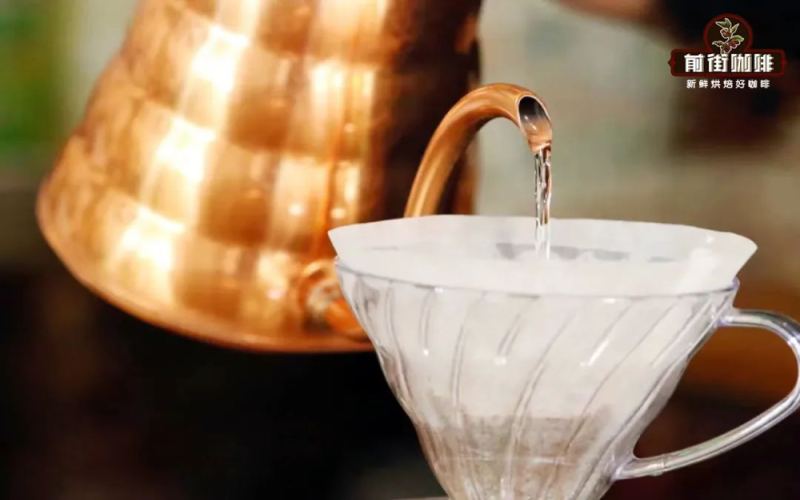
A Complete Analysis of Pour-Over Coffee Parameters: Scientific Adjustment Approaches to Coffee-to-Water Ratio, Grind Size, Water Temperature, and Time
Many coffee enthusiasts make a point of visiting Front Street Coffee, drawn not only by the impressive variety of coffee beans but also by the baristas' brewing skills, which never fail to impress. When it comes to brewing a great cup of coffee, does it ultimately come down to hands-on technique or mental understanding? Front Street Coffee believes that water flow control and pouring are merely the basics. What truly determines the flavor direction is a deep understanding of the four key parameters: grind size, coffee-to-water ratio, water temperature, and time. This article will systematically lay out ways to improve your pour-over skills, from the interconnected relationships between parameters and methods for categorizing coffee bean characteristics to practical tips for keeping brewing records. Whether you are a beginner just getting into pour-over or an experienced brewer looking to break through a plateau, you'll find actionable guidance here. [more…]
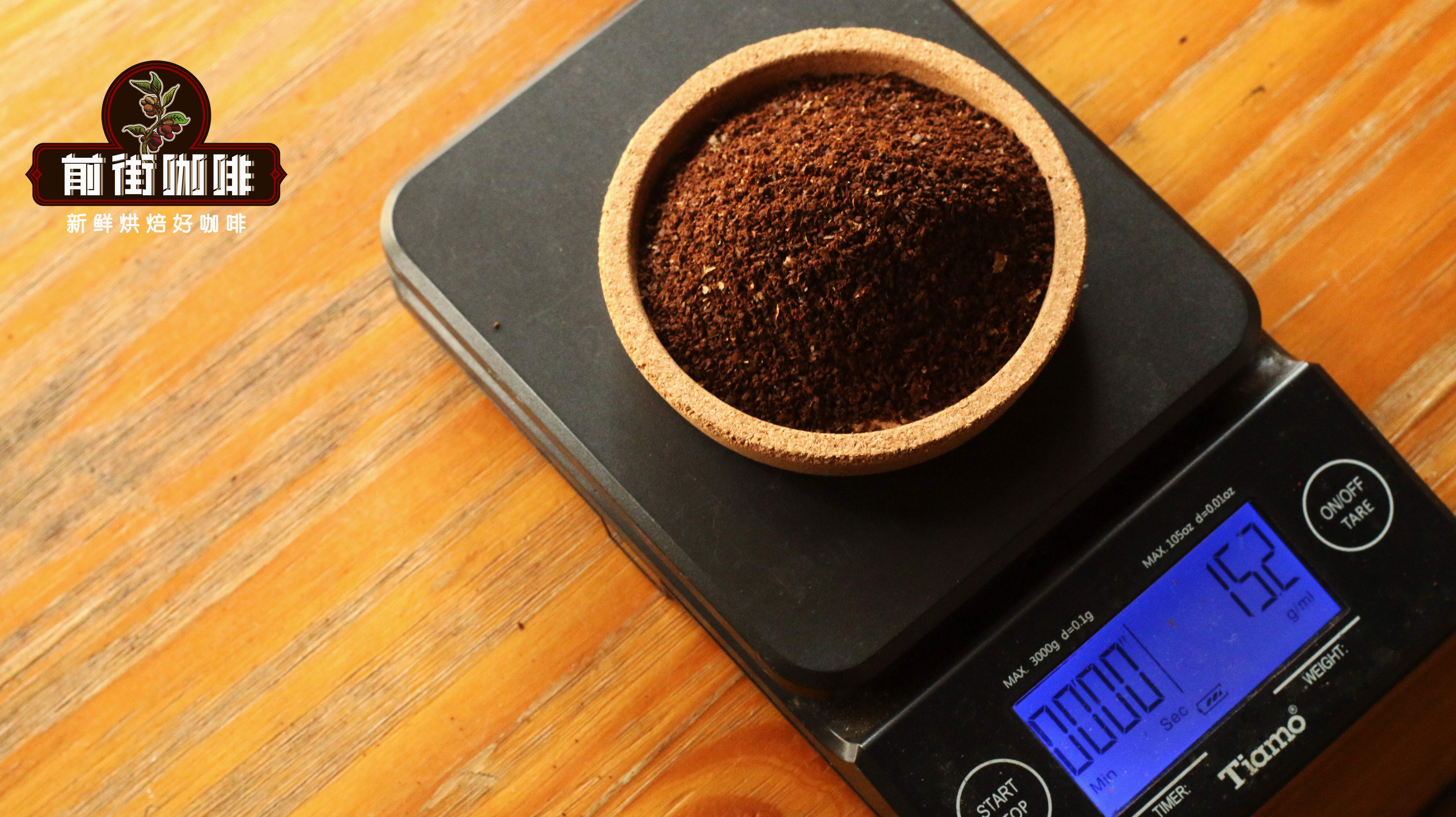
A Detailed Guide to Manual Coffee Grinder Adjustment Methods and Pour-Over Coffee Grind Size Standards
The first step in pour-over coffee often begins with grinding, and manual coffee grinders have become the choice of many enthusiasts due to their cost-effectiveness. But how should a manual grinder be used correctly? And to what degree should the coarseness be adjusted to be appropriate? In this article, Front Street Coffee will systematically explain the structural components, adjustment steps, and operating methods of a manual coffee grinder, and share how to use a 0.80mm standard sieve to determine whether the grind size for pour-over coffee is appropriate. At the same time, it will also sort out the grind coarseness patterns corresponding to different brewing methods, as well as the effects of key parameters such as the coffee-to-water ratio, water temperature, and extraction time on flavor. Finally, using Panama Diamond Mountain coffee beans as an example, it will fully demonstrate a three-pour pour-over process to help readers master the coordination between grinding and brewing in practice. [more…]